From the rural bars of the Dominican Republic to the glittering stages of international dance festivals, bachata has undergone one of the most dramatic glow-ups in Latin dance. Here is a look at the journey of this soulful genre and how it became a social dance sensation worldwide!
The Roots of "Música de Amargue"
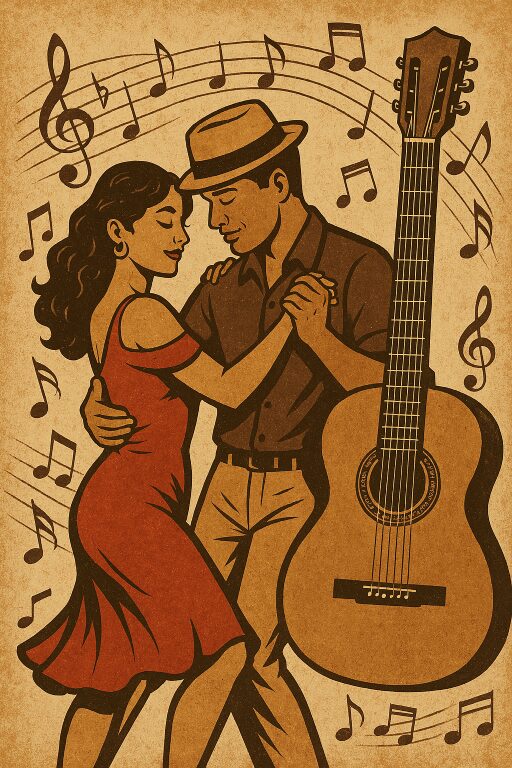
Bachata was born in the 1950s - 60s in the rural countryside and urban shantytowns of the Dominican Republic. Originally, it wasn't even called bachata; it was known as música de amargue - "bitter music". Deeply influenced by Spanish bolero, Cuban son, and merengue, it was the soundtrack of the working class, played on acoustic guitars and bongos to tell raw stories of heartbreak and social struggle.
For decades, the genre was heavily stigmatized by the Dominican elite, who viewed it as "low-class" or "vulgar." During the Trujillo dictatorship, it was pushed to the fringes of society, surviving primarily in brothels and rural "bachatas" (backyard parties) where its soulful, melancholic identity was forged.
Evolution of Rhythm and Movement
As the political and social landscape of the Dominican Republic shifted in the 1980s, so did the music. The introduction of the electric guitar, pioneered by artists like Blas Durán, gave bachata a faster, more "popping" sound that moved it from the shadows to the mainstream. The dance evolved alongside the music; what began as a close-embrace, bolero-style box step transformed into a more rhythmic and syncopated movement.
While the Dominican Style (sometimes called Traditional Style) remains focused on intricate, playful footwork and rapid-fire hip movements, bachata eventually branched out into various global interpretations incorporating elements from Salsa, Zouk and Hip Hop.
A Global Phenomenon
The 2000s saw bachata explode into a worldwide obsession, thanks to the "Urban Bachata" movement pioneered by groups like Aventura and their frontman, Romeo Santos. Trendsetting artists like Ataca y La Alemana brought bachata to a burgeoning social media audience, exploding its popularity on the dance floor. By blending traditional rhythms with R&B and Pop sensibilities, bachata became more accessible to a younger, global audience. This musical shift eventually birthed "Bachata Sensual" in Spain during the 2010s, a style characterized by fluid body waves and circular motions.
Today, bachata is arguably the most popular Latin social dance globally. From Seoul to Stockholm, you can find Bachata nights where dancers of all backgrounds can connect thanks to the genre’s infectious rhythms and emotional depth.
Why Choose Bachata?
For someone stepping onto the dance floor for the first time, bachata is often much more approachable than its cousins, salsa or kizomba. Salsa can be intimidating with its high-speed tempo and complex geometry, requiring quick reflexes and a sharp ear for polyrhythms. On the other hand, kizomba requires a level of grounded, intimate connection and technical "frame" that can feel a bit intense for a novice.
Bachata hits the "Goldilocks" zone: its timing is incredibly intuitive, and the basic step is something most people can master in a single lesson. It offers the perfect balance of rhythmic fun and social connection without the steep learning curve of more technical genres, while offering branching depth and complexity for those who love to dig deeper!
Your Bachata journey!
Join our classes every Thursday to experience the joy of Bachata, no matter if you're a total newcomer, or an experienced dancer looking to further refine your skillset!